Dating Sexy South Korean Girls: Culture, Traditions & What You Need to Know
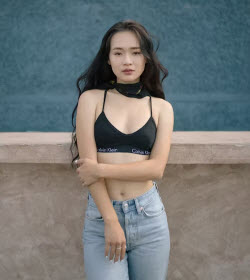
South Korea is one of the most distinctive countries in East Asia — a place that compressed centuries of Confucian tradition and decades of rapid modernization into a national identity that doesn’t quite resemble anything else. It gave the world K-pop, K-drama, some of the fastest internet infrastructure on earth, and a beauty and skincare industry that’s influenced global standards. South Korean women come from that environment, and the combination of cultural depth, social sharpness, and aesthetic awareness that characterizes them is not accidental.
Understanding where they come from changes how you approach connecting with one.
The Country Behind the Culture
South Korea occupies the southern half of the Korean Peninsula, with North Korea to the north and the Yellow Sea and Sea of Japan on either side. Seoul is the capital — a city of over 10 million people that manages to house ancient royal palaces, cutting-edge architecture, and one of the world’s most dynamic youth cultures within the same city limits. Gyeongbokgung Palace sits a short distance from Gangnam, the district that became internationally recognizable for reasons that have nothing to do with its actual cultural significance. Busan in the south is the second city — a port town with beaches, seafood markets, and a more relaxed energy than Seoul. Jeju Island, a volcanic island off the southern coast, is where Koreans go on honeymoon and where the haenyeo — female divers who free-dive for seafood — have maintained their practice for centuries.
South Korea’s economic transformation over the past sixty years is one of the most dramatic in modern history. A country that was among the poorest in Asia following the Korean War became a global technology and manufacturing powerhouse within two generations. That compressed transformation produced a particular kind of social pressure — high expectations around education, career, and achievement that shaped an entire society and shaped the women who grew up inside it.
Culture, Traditions, and What Shapes South Korean Women

Confucianism is the operating system underneath Korean social life, even for people who’ve never thought about it explicitly. Hierarchical relationships, respect for elders, group harmony over individual expression, filial piety — these values shape how Koreans speak to each other, how they navigate disagreement, how they think about family obligations. Age determines social dynamics in specific ways: how you speak to someone, how you address them, what you owe them in terms of deference. This isn’t just cultural vocabulary. It shows up in daily interactions.
The hanbok — traditional Korean clothing with its flowing lines and vivid colors — is worn at Seollal (Lunar New Year), Chuseok (the autumn harvest festival), weddings, and significant family occasions. These festivals are genuinely important family events, not tourist spectacles. Chuseok in particular involves returning to family homes, performing ancestral rites, and sharing specific traditional foods. If you’re dating a Korean woman whose family is traditional, understanding that these occasions carry real weight is basic respect.
The concept of jeong — a deep emotional bond and loyalty that develops between people over time — is central to how Koreans understand close relationships. It doesn’t translate cleanly into English. It’s something between love, attachment, and a sense of obligation that builds through shared experience. Korean relationships — romantic and otherwise — are often defined by jeong more than by any single feeling or decision.
Korean food is specific, regional, and a source of genuine pride. Kimchi — fermented vegetables, typically napa cabbage with chili paste — is not a side dish in the incidental sense. It’s a daily staple that appears at every meal and varies significantly by region and family recipe. Bulgogi, marinated grilled beef, is the dish most internationally recognized. Bibimbap — rice with vegetables, meat, and a fried egg mixed together with gochujang — is the kind of deeply satisfying meal that shows up at home and in restaurants equally. Samgyeopsal, grilled pork belly eaten with lettuce wraps and various condiments, is the social dining experience — you sit around a grill together, cook as you eat, and the meal takes time. Knowing what you’re eating and asking about it signals genuine interest rather than tourist appetite.
What South Korean Women Are Actually Like
Education and achievement run deep. South Korea has one of the highest rates of university education in the world, and the pressure to perform academically starts early. Korean women who grew up in this system are typically sharp, goal-oriented, and not particularly patient with men who coast. Intelligence is expected in a partner, not celebrated as a bonus.
K-beauty standards are real and self-care is taken seriously. South Korean women invest in skincare, presentation, and appearance in ways that are cultural rather than vain. The beauty industry there is genuinely sophisticated. Don’t mistake this for superficiality — it’s a cultural norm around self-presentation that coexists with the same women being professionally ambitious and intellectually serious.
Public displays of affection are handled carefully, particularly early on. Korean dating culture tends to be more reserved in public than Western norms, especially at the start of a relationship. Following her lead on physical comfort is not just polite — it’s the expected behavior. What’s comfortable will become clear over time.
Family approval matters in a real, practical sense. Her parents’ opinion of who she’s with will carry weight in any serious relationship. Korean family dynamics often involve parents staying closely connected to their adult children’s lives, including their romantic choices. Engaging respectfully with her family — showing appropriate deference to her parents, warmth toward older relatives — is noticed and remembered.
How to Date South Korean Girls Online: What Works

Build a complete, genuine profile before anything else. Korean women pay attention to whether the person they’re talking to has actually thought about who they are and what they want. A half-finished profile with vague answers signals low effort before the first message is even sent.
Move at a measured pace. Don’t push for rapid intimacy or quick in-person meetings. Many Korean women value a courtship that develops carefully — getting to know each other thoroughly before things progress. Patience reads as respect, not disinterest.
Learn something specific about Korea before you start talking. Not K-pop generally — something with more depth. The significance of Chuseok, the history of the Korean War and its ongoing effects, a regional food from her city, the meaning of jeong. Specific knowledge signals genuine curiosity rather than surface-level interest, and Korean women notice the difference immediately.
Gift-giving has cultural weight in Korean dating. It doesn’t need to be expensive — it needs to be thoughtful. A small gift that connects to something she mentioned, delivered at an appropriate moment, communicates real attention. The gesture matters more than the cost.
Be honest about your long-distance and cultural adjustment expectations. If things develop seriously, practical questions about how two people from different countries build a life together will need to be addressed. Raising these conversations openly and maturely, when the time is right, demonstrates the kind of seriousness Korean women tend to look for in a partner.
The Short Version
Dating sexy South Korean girls seriously means engaging with women who are educated, aesthetically aware, socially sophisticated, and shaped by a culture with deep values around family, loyalty, and achievement. Performance doesn’t work. Surface charm doesn’t last. What works is genuine intellectual engagement, consistent respectful behavior, and the patience to let something real develop at the pace Korean dating culture actually moves.
South Korea is one of East Asia’s most dynamic and culturally rich countries. The women it produces reflect that entirely.