Dating Sexy Vietnamese Girls: Culture, Traditions & What You Need to Know

Vietnam is a country that most people think they understand better than they do. The war, the food, the motorbikes, the conical hats — the surface-level images are everywhere. What’s underneath them is considerably more interesting: a civilization with four thousand years of continuous history, a culture that has absorbed Chinese, French, and American influence without losing its own coherence, and women who are quietly strong in a way that takes most outsiders a while to recognize.
Vietnamese women don’t announce themselves. The confidence is there, but it doesn’t lead. What leads is composure, warmth, and a loyalty that builds slowly and then holds firmly. Understanding the culture they come from is the prerequisite for everything else.
The Country Behind the Culture
Vietnam runs nearly 1,700 kilometers from north to south — a long, narrow country shaped roughly like a stretched S along the South China Sea coast. Hanoi in the north is the capital — older, more traditional, politically and culturally conservative in the way capitals often are. Ho Chi Minh City in the south moves faster, spends more freely, and has an entrepreneurial energy that feels genuinely different from the north. Hội An in central Vietnam is a UNESCO-listed ancient trading port of lantern-lit streets and tailors’ shops. Da Nang has beaches and a rapidly growing urban scene. The Mekong Delta in the far south is a waterworld of rivers, floating markets, and rice paddies that produces much of the country’s food.
A Vietnamese woman from Hanoi and a woman from Ho Chi Minh City are operating from meaningfully different cultural reference points — different dialects, different pacing, and different assumptions about how relationships work. Ask where she’s from. It matters more than most people expect.
Vietnamese is a tonal language — the same syllable means completely different things depending on which of six tones you use. That linguistic complexity reflects something about the culture: precision matters, context matters, and things are rarely as simple as they appear on the surface.
Culture, Traditions, and What Shapes Vietnamese Women
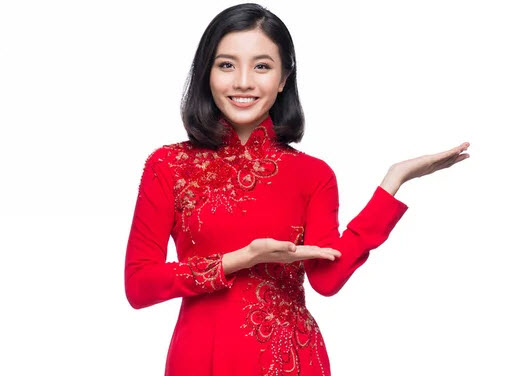
Ancestor veneration is a daily practice across Vietnam, not just a festival tradition. Many Vietnamese homes have an altar where incense is burnt and offerings are made to deceased family members. The connection between the living and the dead is treated as ongoing rather than historical. This practice reflects something fundamental about Vietnamese values: continuity, family obligation, and the idea that the choices you make reflect on the people who came before you.
Tet Nguyen Dan — the Vietnamese Lunar New Year — is the most important event on the cultural calendar. It typically falls between late January and mid-February and represents the beginning of spring. Families travel from wherever they are to be together. Specific foods are prepared — bánh chưng (sticky rice cake), xôi gấc (red glutinous rice), thịt kho (caramelized pork with eggs). Temples are visited. Red envelopes with money are given to children and elders. The entire country reorients around family for a week. If you’re connected with a Vietnamese woman around Tet, understanding what the occasion means to her — and asking about how her family celebrates — signals genuine engagement with her world.
The Mid-Autumn Festival in September or October, is the second major celebration — lantern parades, mooncakes, and families gathering around the full moon. It’s a gentler occasion than Tet but carries its own emotional weight around family reunions and togetherness.
Removing shoes before entering a home is standard practice across Vietnam — a basic sign of respect that most visitors learn quickly. Forms of address carry meaning: using appropriate honorifics when speaking to older people signals awareness of the hierarchical respect that Vietnamese culture takes seriously.
Vietnamese food is one of the world’s great cuisines and it’s specific. Phở — the noodle soup that’s become internationally recognisable — varies significantly by region. Hanoi phở is cleaner and more austere; southern phở is sweeter and served with more garnishes. Bánh mì, the Vietnamese baguette sandwich, reflects the French colonial period in the most delicious possible way. Gỏi cuốn, fresh spring rolls with shrimp and herbs in rice paper, are nothing like the fried version most people outside Vietnam have tried. Bún bò Huế, the spicy beef noodle soup from central Vietnam, is arguably better than phở and far less known internationally. When a Vietnamese woman introduces you to food — her family’s recipes, her regional specialties — engage with it genuinely. Food is culture in Vietnam in a direct and serious way.
What Vietnamese Women Are Actually Like
Quietly strong. Vietnamese history — colonization, war, reunification, and the economic transformation of the past three decades — produced a people with genuine resilience. Vietnamese women don’t perform toughness. It shows up in how they handle difficulty without complaint, how they maintain composure under pressure, and how they expect the same from the people around them.
Family obligation is real and ongoing. Filial piety in Vietnam isn’t a concept — it’s a daily practice. Multiple generations often share households. Older family members’ opinions carry weight in major decisions. If you’re serious about a Vietnamese woman, her parents’ view of you will matter. Engaging respectfully with her family, showing genuine warmth toward her parents and older relatives, and demonstrating that you understand what family means in Vietnamese culture is essential.
Reserved in public, warm in private. Vietnamese women tend to be more contained in initial interactions than, say, Latin or Eastern European women. That reserve is not disinterest — it’s the standard starting point for women from a culture where trust is earned carefully. Once the trust is there, the warmth is genuine and consistent.
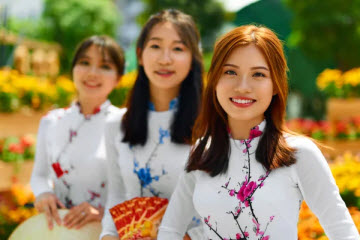
Intellectually curious and education-oriented. Vietnam places high value on education, and Vietnamese women reflect that. Many are professionally ambitious, well-read, and genuinely curious about the world. Intellectual engagement matters in conversation — not showing off, but actually thinking together about things that matter.
How to Date Vietnamese Girls Online: What Works
Learn some Vietnamese before anything else. Vietnamese is genuinely difficult — the tones alone take real effort — but attempting even basic phrases demonstrates serious engagement. Xin chào (hello), Cảm ơn (thank you), Em rất đẹp (you’re very beautiful) — the willingness to try in her language signals respect for her culture that no amount of smooth English can replicate. She’ll know you tried. That matters.
Be patient with the pace. Vietnamese dating culture moves deliberately. Early interactions tend to be careful and somewhat formal. Pushing for quick intimacy or rapid escalation tends to create distance rather than connection. Let trust build through consistent, genuine engagement over time. That patience is not passivity — it’s the appropriate way to approach someone whose culture values measured relationship development.
Ask about her specific background. Which city is she from? What does her family do for Tet? What regional food is she proudest of? What does her family’s altar look like? Specific questions about her life and her culture signal that you see her as a real person from a real place, not a generic Southeast Asian dating profile.
Show genuine respect toward her family context. If she mentions her parents, her siblings, her family obligations — engage with that seriously rather than treating it as background noise. Vietnamese women notice when a man understands that family is the center of her world, not a peripheral detail.
Be consistent and follow through. Reliability is deeply valued in Vietnamese culture. Do what you say you’ll do. Show up when you commit to it. That steadiness builds more trust than any single impressive gesture, and it’s what Vietnamese women consistently describe as the quality they most look for in a serious partner.
The Short Version
Dating sexy Vietnamese girls seriously means engaging with women who are composed, deeply loyal, family-oriented, and shaped by one of Asia’s most distinctive cultural traditions. They don’t open up quickly. When they do, the connection is genuine and lasting. The patience required to get there is paid back significantly by what’s on the other side of it.
Vietnam’s culture has survived everything thrown at it across four thousand years. The women it produces carry that same quality. The men who recognize it tend to find something genuinely worth finding.