Dating Sexy Filipina Girls: Culture, Traditions & What You Need to Know
The Philippines is one of the most genuinely accessible countries in Southeast Asia for international dating, and not just because English is an official language. Filipinas — women from the Philippines — are warm, socially open, family-oriented, and direct about what they want from relationships in a way that removes a lot of the guesswork that complicates dating across cultures. That accessibility is real. But it doesn’t mean there’s nothing to understand. The cultural context still matters, and the men who understand it do significantly better than those who treat ease of communication as a substitute for genuine engagement.
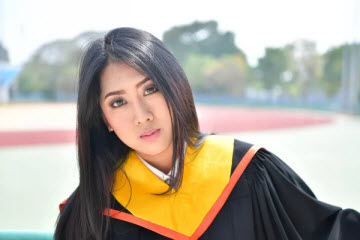
The Philippines: The Country Behind the Culture
The Philippines is an archipelago of over 7,000 islands sitting in Southeast Asia, with a population of around 109 million people and a cultural identity shaped by three distinct historical forces: indigenous Malay heritage, three centuries of Spanish colonial rule, and nearly fifty years of American influence. That layering produced something genuinely distinct — not quite Asian in the way Vietnam or Japan are Asian, not Latin American despite the Spanish surnames and Catholic practice, but its own specific thing.
Manila is the capital — dense, traffic-choked, economically intense, and culturally alive in ways that don’t always show up in international coverage. But the Philippines isn’t Manila. Cebu in the Visayas is the second major city, with its own dialect and cultural personality. Davao in Mindanao is different again. The Cordillera highlands in northern Luzon have indigenous communities with traditions that predate Spanish arrival by centuries. The islands of Palawan have some of the most beautiful coastline on earth and a pace of life that has nothing to do with Manila’s intensity.
When you’re connecting with a Filipina online, asking where she’s from and what her home island or region is like opens the conversation in a way that signals real curiosity. She’ll notice.
Culture, Traditions, and What Shapes Filipina Women
Bayanihan is community as operating principle. The Filipino concept of bayanihan — collective effort, helping neighbors, working toward shared goals — isn’t just cultural vocabulary. It’s how communities actually function in the Philippines, particularly in rural areas. Extended family networks provide practical support across generations. The idea that you handle things alone is somewhat foreign to Filipino social logic. Women who grow up in that environment carry a strong orientation toward community and reciprocity into their relationships.
Hiya and pakikisama shape social behavior. Hiya — roughly translated as a sense of propriety or social shame — governs how Filipinas navigate public situations. Behavior that causes embarrassment to themselves or others is avoided. This isn’t passivity; it’s a sophisticated social awareness. Pakikisama — harmonious social relationships, getting along, maintaining group cohesion — is the complementary value. Together they produce women who are socially skilled, emotionally attuned, and careful about how they present themselves in public.

Festivals are central to Filipino life. The Philippines has hundreds of local festivals — fiestas — celebrating patron saints, harvests, historical events, and cultural traditions. The Sinulog Festival in Cebu, the Ati-Atihan Festival in Kalibo, and the Pahiyas Festival in Lucban are among the most spectacular, involving elaborate costumes, street dancing, and community-wide participation. These aren’t tourist events — they’re annual occasions that Filipino families organize their calendars around. Knowing about a festival from her region and asking about it signals genuine engagement with her specific background.
Catholicism shapes the calendar and the values. Spain’s three centuries of colonial rule left deep Catholic roots. Religious practice in the Philippines is sincere and widespread — Simbang Gabi (nine masses before Christmas), Semana Santa processions, fiestas for patron saints. For many Filipina women, particularly those from traditional families, religious values around marriage and family are real operating principles rather than nominal affiliations.
Filipino food is a cultural blend worth knowing. Adobo — meat marinated and braised in vinegar, soy sauce, garlic, and bay leaves — is the dish most associated with Filipino cuisine internationally, and every family makes it differently. Sinigang, a sour tamarind soup with pork or seafood, is the kind of deeply comforting dish that appears at every family gathering. Lechon — a whole roasted pig — is the centerpiece of celebrations. Halo-halo, the shaved ice dessert with sweet beans, fruits, jelly, and ice cream, is one of the great hot-weather desserts anywhere. When a Filipina or her family cooks for you, engaging genuinely with the food — asking what it is, how it’s made, and which version is hers — communicates respect in a way that matters.
What Filipina Women Are Actually Like
Family loyalty is not a feature — it’s the foundation. Filipino family structures are close and multigenerational in a practical, daily-life sense. Her parents, siblings, grandparents, aunts, and close family friends are present in her life consistently. If things get serious, her family will want to know who you are and whether you’re trustworthy. Traditional courtship in the Philippines historically involved a man demonstrating his character and intentions to a woman’s family before a relationship was formalized. That formality has relaxed considerably in modern contexts, but the underlying value — that family approval matters — hasn’t.
English fluency removes the language barrier but not the cultural one. Because English is co-official and widely spoken, many men assume they understand Filipina women better than they actually do. The language being accessible doesn’t mean the cultural context is. Hiya, pakikisama, family dynamics, religious values — these operate underneath the English conversation and shape what she’s actually communicating. Pay attention to those layers.
Loyal and devoted once genuinely committed. Filipinas who choose a partner seriously are extraordinarily loyal. The combination of family values, Catholic orientation toward commitment, and the cultural emphasis on long-term relationships produces women who invest deeply in partnerships they believe in. That investment has a clear expectation of reciprocity — consistency, faithfulness, and genuine presence in the relationship.
Warm and socially expressive from early on. Filipinas don’t tend to maintain the emotional reserve you encounter with Japanese or Korean women in early interactions. They’re warm, conversational, and socially open relatively quickly. That openness is genuine but it shouldn’t be mistaken for an absence of standards. Filipina women are paying close attention to character even when the conversation feels easy.
How to Date Filipinas Online: What Actually Works
Be genuine about your intentions from the start. Filipina women from traditional backgrounds are not looking for casual arrangements. If you’re serious about a real relationship — potentially including marriage and family — say so clearly and demonstrate it through consistent behavior. If you’re not, be honest about that too. Wasting her time is disrespectful in any culture; in Filipino culture it also reflects on your character in a way that’s hard to walk back.
Show genuine interest in her family. Ask about her parents, her siblings, where she grew up, what her family does for major holidays. For a Filipina, her family is not a separate compartment of her life — it’s the context of her life. Men who engage warmly with that context build trust significantly faster than those who treat it as peripheral.

Ask about her specific region and background. Is she from Manila or the provinces? What island? What dialect does her family speak at home — Tagalog, Cebuano, Ilocano, Waray? What festivals did she grow up attending? These specific questions signal that you see her as a person from a real place rather than a generic Asian dating profile.
Learn a few Filipino phrases. Even basic Tagalog — Maganda ka (you’re beautiful) or Gusto kitang makilala nang mas mabuti (I’d like to get to know you better) — demonstrates real effort. Filipinas respond warmly to men who try in their language, even imperfectly.
Be consistent and patient. Trust builds through repeated genuine interaction, not through a single impressive conversation. Check in regularly. Remember what she tells you. Follow through on commitments. Filipinas notice inconsistency quickly, and it affects their assessment of a man’s character.
The Short Version
Dating sexy Filipina girls seriously means engaging with women who are warm, family-oriented, and looking for genuine commitment. The English fluency makes conversation easy. What makes relationships work is the same thing it always is: showing up consistently, demonstrating real interest in who she actually is, and treating her family with the respect Filipino culture genuinely values.
The Philippines is one of Southeast Asia’s great underrated dating destinations. The women are exceptional. The men who understand why tend to find out exactly how exceptional.